

Part 3: From Guesswork to Growth
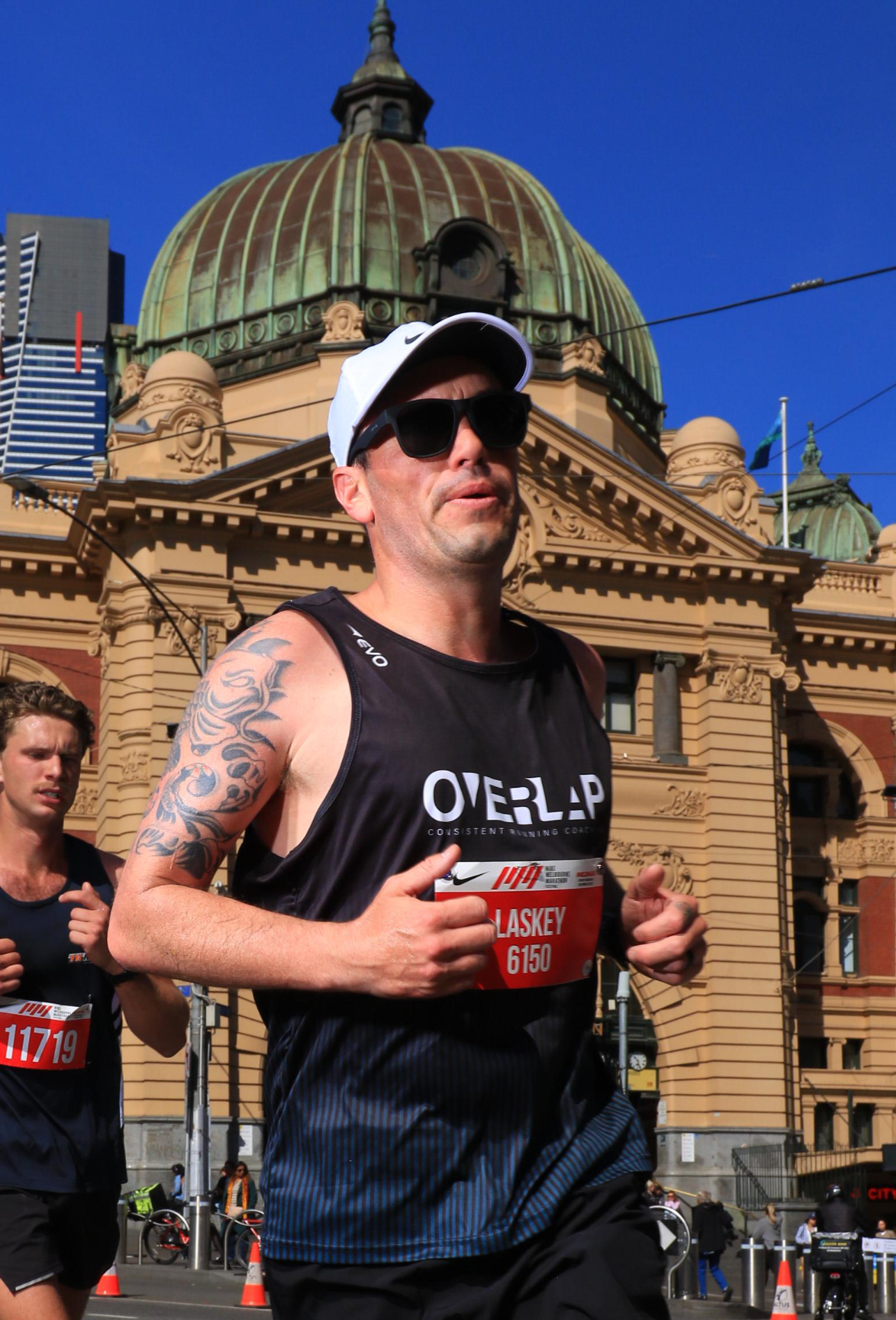
Part 3: From guesswork to growth.
If Part 2 was about improvement, Part 3 is about intention.
Up until then, everything had been driven by motivation, ego, or curiosity.
Run more. Buy better shoes. Try harder. Hope for the best.
And letting go of that mindset was harder than any long run.
The Session that Messed With my Head.
November 6, 2023.
My first session with a coach.
5 x 5 minutes off 90 seconds walk at RPE 4–5. Conversational.
I’d just run 3:29 for a marathon… and now I was being told to stop every five minutes.
It felt like going backwards.
Wednesday was 6 x 5 minutes.
Friday was 6 x 7 minutes.
For weeks, that was it. Walk/run. Three times per week.
My first continuous run wasn’t until November 27.
Thirty easy minutes.
That adjustment hit my ego harder than any race ever had.
The First 'Real' Workout
December 21 — my first proper threshold session.
A “threshold sandwich”:
Warm up
Tempo
Rest
Intervals
Rest
Tempo
Cool down
Ironically, it’s the same session I’ve got programmed this week (3/3/26 - at time of writing).
That was the moment I realised something: this wasn’t random. It was layered. Deliberate.
And I was just getting started.
The First Checkpoint - Penguin Half Marathon.
February 11, 2024.
First race since starting structured training.
I ran just over 1:33.
It wasn’t flashy — but it felt controlled. Recovery was manageable. I even ran 45 minutes easy the next day.
That had never happened before.
Something was working.
Building Momentum - Hobart Airport Marathon
April, 2024.
Tougher course than Melbourne. Honest terrain.
I ran 3:22 — my fastest marathon to that point.
That gave me confidence to go again at the Melbourne Marathon.
But progress rarely comes without interruption.
The Knee, The Mistake, The Reset.
Leading into Melbourne number three, I planned to race the Launceston Half Marathon.
My knee flared up beforehand. I’d barely run in the lead-up.
I still started.
I ran around 1:33 again, just like at Penguin Running Festival 5 months earlier.
In hindsight, it was a poor decision.
Seven weeks off followed. No running. Physio. Doctors. Scans. Two steroid injections.
Two weeks later, I was jogging again — but fitness was down, and Melbourne was close.
October 13, 2024. Attempt three.
I started. I struggled. I finished.
3:22:37.
Given the interruption, that result meant more than it looked on paper.
Testing the Engine - Backyard Ultras
In December 2024, I tried something different — a backyard ultra.
Sixteen hours. Sixteen laps. About 107km.
That wasn’t about pace.
That was about durability. The following year at Greenvale Backyard Ultra, I stretched that to 20 hours — 135km.
Consistency Pays Off
March 2025 brought two events:
Gone Nuts 25km
Pacing duties at Bluff to Boat Ramp
Then the Hobart Airport Half Marathon again in April — this time focusing purely on pacing properly.
Then back to Launceston once again in June.
Goal: 1:30.
Result: 1:26:33.
That was different.
That wasn’t survival. That wasn’t guesswork.
That was fitness.
The Big Stage - Sydney Marathon
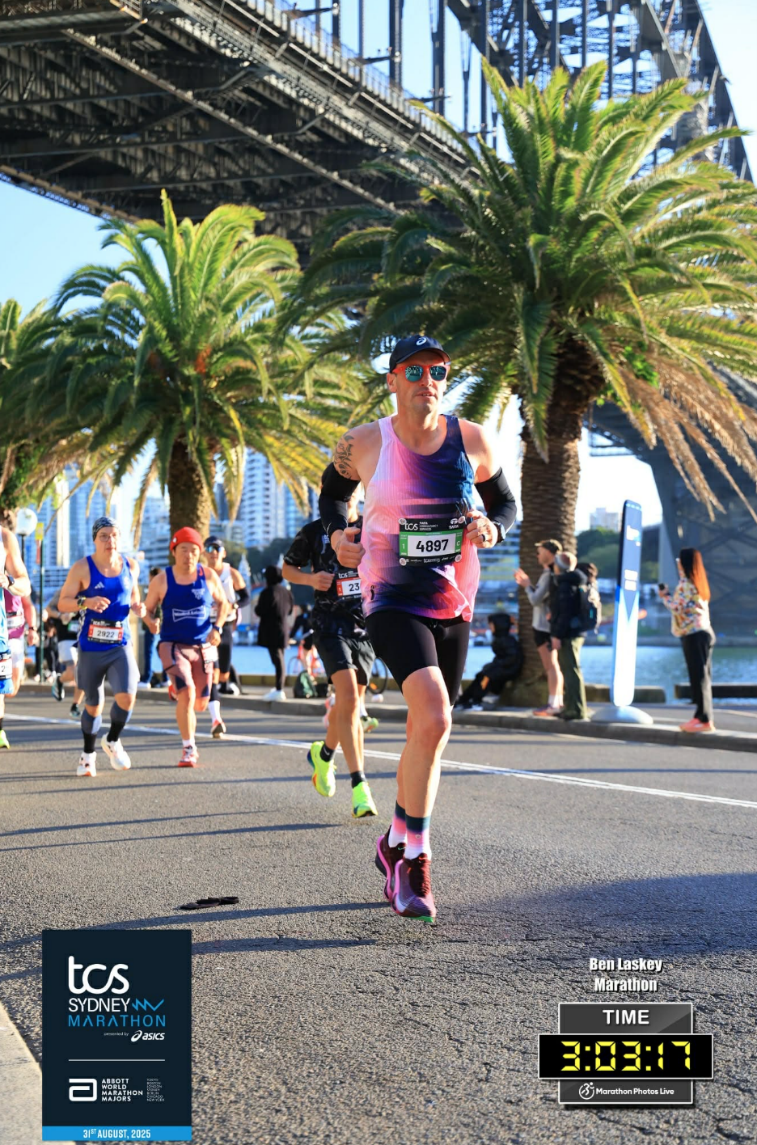
August 2025. First year as a World Marathon Major. ~300m of elevation.
On paper, not a PB course.
So, I set a realistic goal: 3:10–3:15.
Which meant shaving more than five minutes off my marathon best — on a tougher course.
Preparation had been nearly perfect. Consistent. Injury-free.
Still, doubt crept in.
One bad session and I’d question everything.
Race morning, I found the 3:15 pacer and decided to sit there early.
Plan: run controlled uphill, roll a little quicker downhill without overspending.
It worked.
Soon, I was ahead of the 3:15 pacer.
Then I caught the 3:10 group.
That worried me. Historically, going out too quickly had ended badly.
But I felt good.
So I stayed calm and kept pressing.
Eventually, I ran away from 3:10 as well.
Now I was in no-man’s land.
I realised I was on track for well under 3:10.
With 7–8km to go, I did the maths.
Sub-3 was unlikely.
But close to it? Very possible.
I leaned in.
And finished in 3:03:17.
I took seven minutes off my PB. On a hilly course. At a Major.
That wasn’t luck.
That was years of learning how to train properly.

Where it Stands Now
I hit that 20-hour backyard ultra recently in December 2025. More durability in the bank.
The focus now:
Ballarat Marathon in April.
Back to Sydney in August.
The goal?
Sub-3 hours. Not because it sounds good.
Not because someone laughed.
But because the process says it’s possible.
And now, I trust the process. I'll be back later in the year to recap how this 2026 season has gone. You can follow along in real time over at my Strava. Thanks for reading.
Written by Ben Laskey, OVERLAP Athlete & Coach
Edited by Zac Harris, OVERLAP Founder & Head Coach
Inspired by Ben's journey? Join the OVERLAP family! Just email us at info@overlapcoaching.com or click the button below.


Comments